


General
Comparing Flat and Pitched Roof Solutions: Which is Right for Your Project?
15 November 2024
Comparing Flat and Pitched Roof Solutions: Which is Right for Your Project?
When it comes to roofing, one of the most important decisions you’ll make is choosing between a flat or pitched roof. Both options come with their own set of advantages and considerations, making them more suitable for certain types of projects. Whether you’re building a new home, renovating an existing property, or adding an extension, understanding the pros and cons of flat and pitched roofs is key to making an informed decision. Let’s dive into a comparison of these two popular roofing styles.
1. Flat Roofs: Sleek and Modern
Advantages of Flat Roofs:
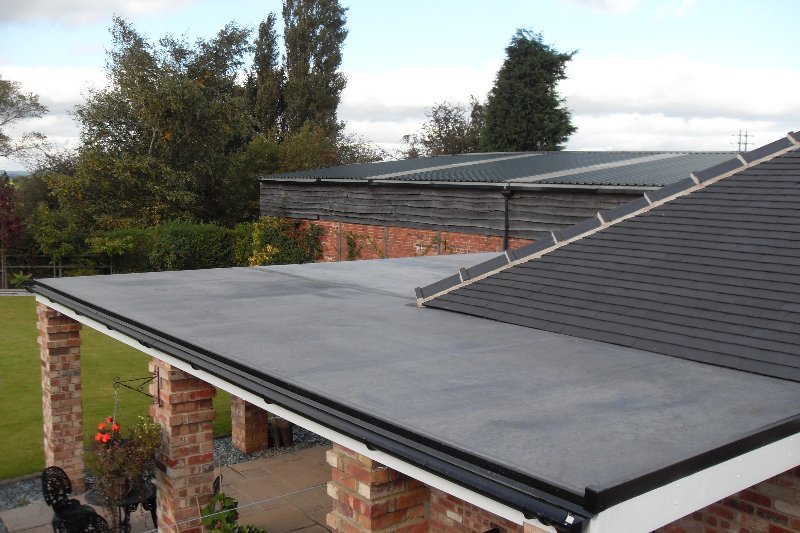
- Cost-Effective: Flat roofs are generally more affordable to install than pitched roofs due to their simpler design and reduced material requirements. This makes them a great choice for budget-conscious projects.
- Space Utilization: Flat roofs offer additional usable space on top of your building. This space can be transformed into a rooftop garden, terrace, or even a solar panel installation area, providing added functionality to your property.
- Easier Access for Maintenance: Due to their flat surface, it’s easier to access the roof for maintenance, repairs, or cleaning. This is particularly beneficial for inspecting roof features such as air conditioning units or skylights.
Disadvantages of Flat Roofs:
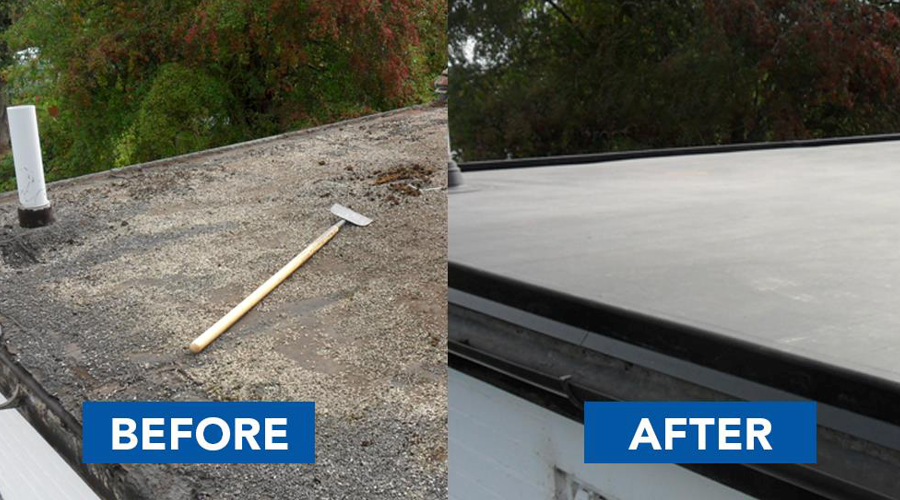
- Drainage Issues: One of the main drawbacks of flat roofs is poor water drainage. Since there is little to no slope, water can pool on the surface, leading to potential leaks and damage over time. Proper waterproofing and drainage systems are essential to mitigate this issue.
- Shorter Lifespan: Flat roofs tend to have a shorter lifespan compared to pitched roofs. Materials like EPDM and TPO, commonly used for flat roofing, generally last around 20-30 years, while pitched roofs with tiles or shingles can last much longer.
- Less Aesthetic Appeal (for some): While flat roofs can give a building a sleek, modern look, they may not appeal to those seeking a more traditional architectural style.
Best Applications for Flat Roofs:
- Commercial Buildings: Flat roofs are common in commercial structures due to their cost-efficiency and ability to house large HVAC systems.
- Extensions: They are often used in home extensions or additions, offering a simple and functional solution.
- Modern Residential Homes: Flat roofs are a popular choice in contemporary home designs, providing a minimalist and clean appearance.
2. Pitched Roofs: Traditional and Durable
Advantages of Pitched Roofs:
- Excellent Drainage: The angled design of a pitched roof ensures that rainwater and snow are quickly directed off the roof, reducing the risk of leaks or water damage. This natural drainage system makes pitched roofs highly effective in areas with heavy rainfall or snowfall.
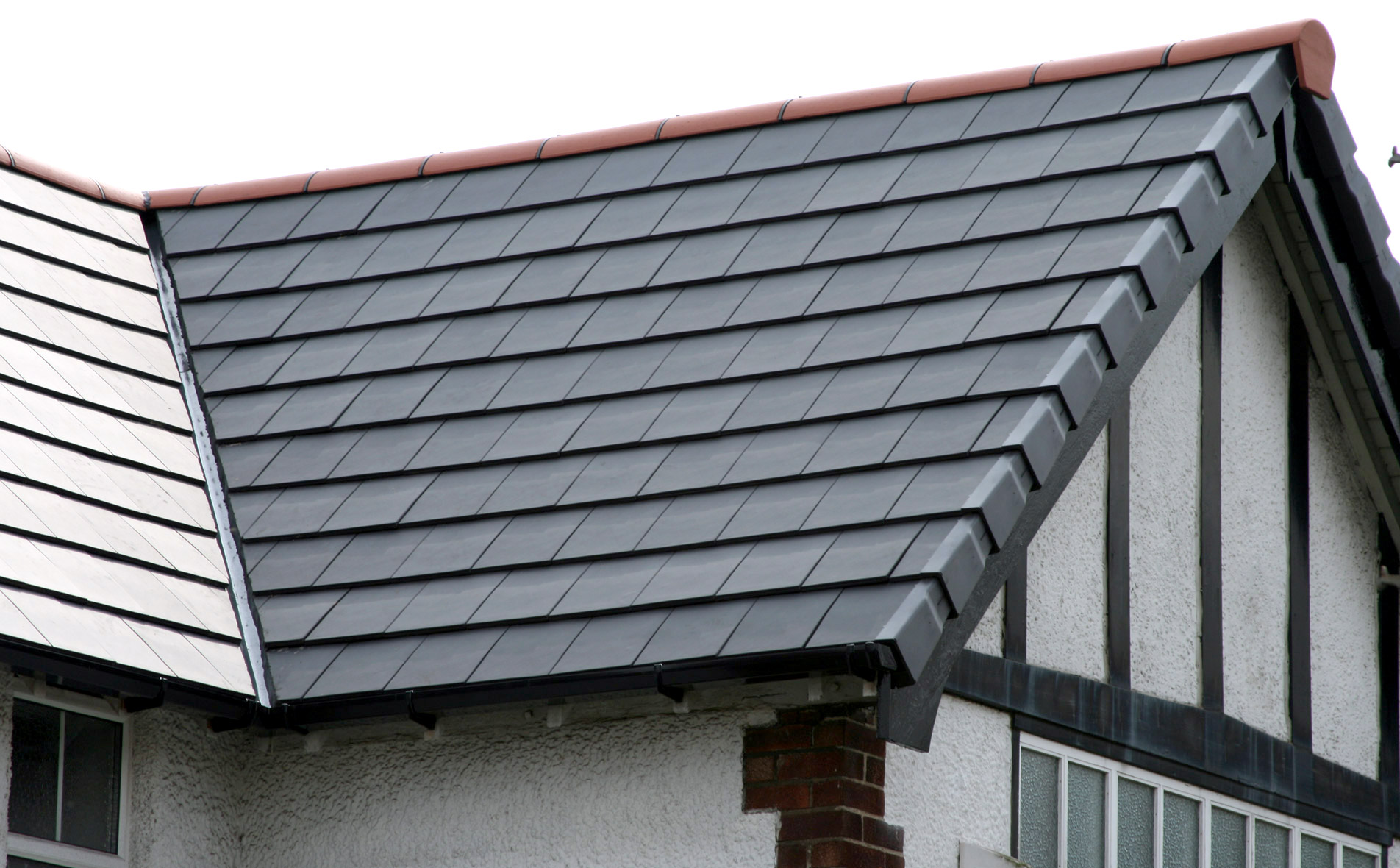
- Longevity: Pitched roofs, especially those constructed with durable materials such as tiles or slate, tend to have a much longer lifespan. Many pitched roofs can last anywhere from 50 to 100 years with proper maintenance.
- Insulation Benefits: Pitched roofs create additional space in the form of an attic or loft, which can improve a building’s insulation. This helps to keep homes warmer in the winter and cooler in the summer, potentially reducing energy costs.
- Aesthetic Versatility: Pitched roofs offer a wide range of design possibilities, from traditional gabled and hipped styles to more modern interpretations. Their architectural versatility can add significant character and value to a property.
Disadvantages of Pitched Roofs:
- Higher Cost: Due to their more complex structure and the larger quantity of materials needed, pitched roofs are typically more expensive to install than flat roofs. However, this cost can be offset by their durability and long lifespan.
- More Difficult Maintenance: The sloped design can make pitched roofs harder to access for maintenance or repairs. Professional assistance is often required for routine tasks like cleaning gutters or fixing leaks.
- More Space-Consuming: Pitched roofs take up more vertical space, which may not be suitable for buildings where height restrictions are an issue, such as urban or suburban areas with zoning limits.
Best Applications for Pitched Roofs:
- Residential Homes: Pitched roofs are the standard in most residential buildings due to their durability, insulation benefits, and aesthetic appeal.
- Homes in Cold or Wet Climates: In areas prone to heavy snow or rain, pitched roofs are ideal for preventing water accumulation and reducing the risk of structural damage.
- Buildings Requiring Loft Space: Pitched roofs are perfect for homes that need additional attic or loft space, whether for storage or future conversions.
3. Key Considerations When Choosing a Roof Type
When deciding between a flat or pitched roof, several factors come into play:
- Climate: If you live in an area with heavy rain or snow, a pitched roof may be more suitable due to its superior drainage. In drier climates, a flat roof could be a good option.
- Budget: Flat roofs generally have lower upfront costs, while pitched roofs require a larger initial investment but offer greater longevity and fewer maintenance issues in the long run.
- Design Aesthetics: If the look of your property is important, consider how each roofing style complements your overall architectural design.
- Functionality: Think about how you want to use your roof. Do you want a rooftop garden or extra storage space? The functionality of your roof should influence your decision.
Conclusion: Flat vs. Pitched Roof – Which Is Right for You?
Both flat and pitched roofs have their unique advantages and are suitable for different types of projects. Flat roofs offer modern aesthetics, cost-effectiveness, and practical space usage, making them ideal for commercial buildings or contemporary homes. On the other hand, pitched roofs provide excellent drainage, long-term durability, and traditional charm, making them perfect for residential homes and areas with harsh weather conditions.
At PR Panels, we offer a wide range of materials and products for both flat and pitched roof solutions. Whether you’re looking for EPDM membranes, shingles, tiles, or expert advice, we’re here to help you make the right choice for your project. Contact us today to find the best roofing solution that fits your needs!

